

Azizanya landing beach leads advocacy against illegal fishing practices
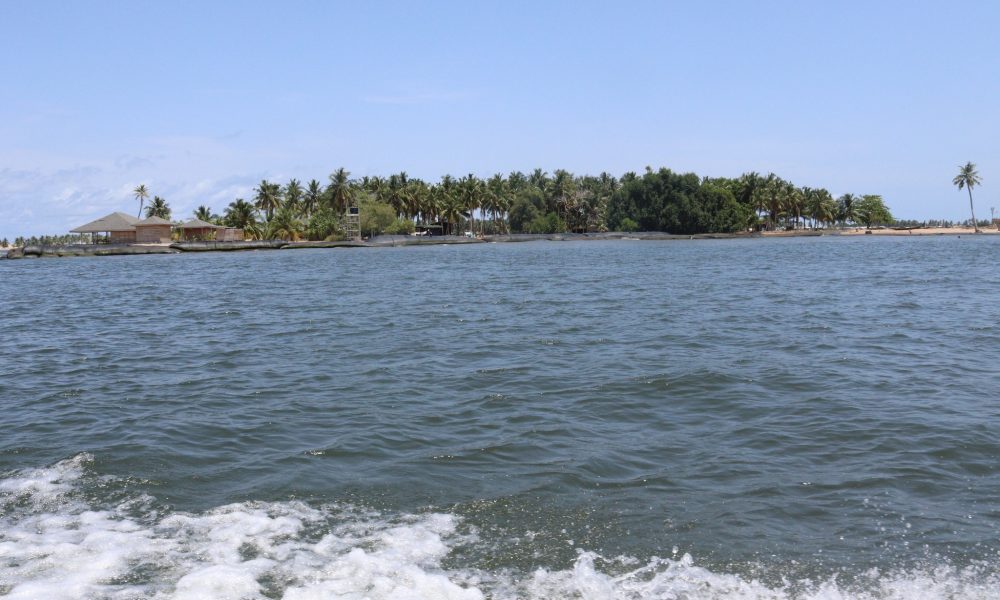
At the landing beach, which is one of the eighteen such beaches in the Ada East and West districts, the majority of the fisherfolk are voluntarily complying with the directive to eschew the detrimental practice of light fishing in the deep sea, making the Azizanya a notable and focal community for responsible and sustainable fishing.
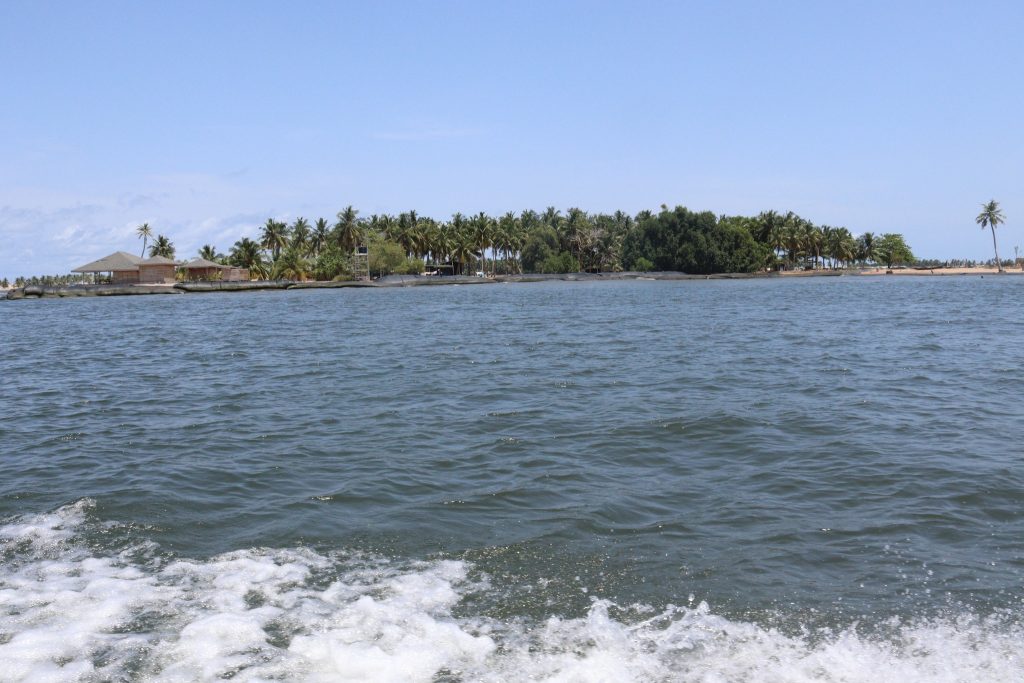
Fishermen at the Azizanya landing beach in the Ada East district have taken up the challenge to lead the advocacy against illegal fishing practices, particularly the practice of light fishing, in the Ada area in the Greater Accra Region
In furtherance of the commendable devotion to best practices, a Landing Beach Enforcement Committee (LaBEC) has been formed in the community to drive the advocacy through sensitization and education on the regulations governing fishing in the country, the infractions, and the negative effects on the marine ecology.
Fishers at Anyamam, another of the coastal communities where landing beaches are located, are also becoming more compliant. As a result, a LaBEC has also been set up and is in full operation, making a frantic effort to encourage voluntary compliance.
The illegal practice is, however, rife in the remaining sixteen communities and beaches which include Totope, Otrokpe, Anyakpor, Elavanyo, Ocanseykope in the Ada East district and Kablevu, Akplabanya, Goi, Anyamam, Wokumagbe in the Ada West District
Zonal fisheries manager in charge of the Ada West district, Mr. Rose Affel, confirmed the prevalence of light fishing and other illegal fishing practices in Ada. She singled out Azizanya for commendation and noted that the majority of the fishers were voluntarily complying.
Chairman of the Ghana National Fishermen Council, who doubles as the Chief Fisherman for Anyamam, Nene Raymond Abayateye II, disagreed with the classification of light fishing as a harmful and illegal practice. He noted that banning it would throw the fisherfolk from the profitable fishing into an unbearable hardship with far-reaching consequences.
Jonathan Kartey, a fisherman from the Akplabanya landing beach/community shared a similar sentiment and argued that the practice was not as harmful as being portrayed. In his estimation, a strict enforcement of the law would have grave economic consequences for the fishing community.
About Light Fishing
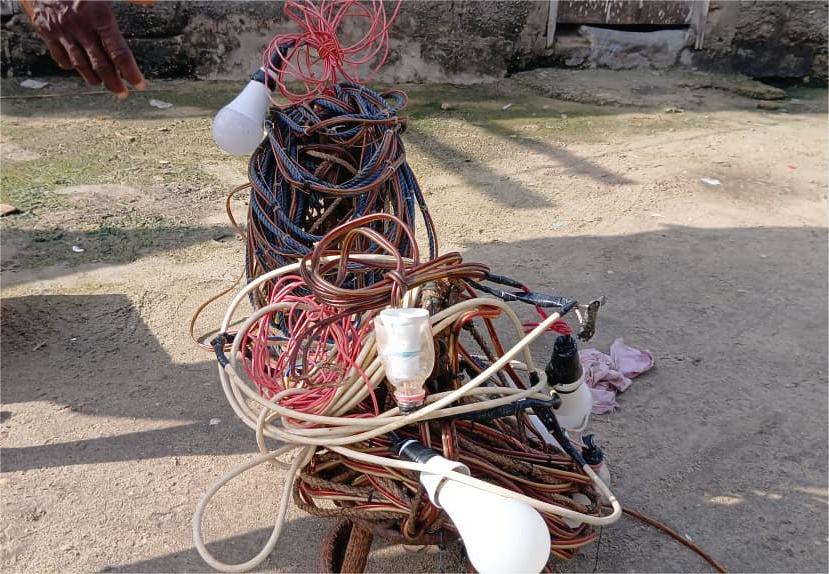
Light fishing is the practice of submerging high-intensity artificial lights or bulbs (often over 2,000 watts) into the sea to aggregate and ensnare fish at night.
Classified as one of the Illegal, Unregulated and Unreported (IUU) fishing methods, the practice results in overfishing and bycatch, and consequently the depletion of small pelagic stocks, juvenile fish and untargeted ones.
Because of the indiscriminate nature of the fishing method, vast quantities of fingerlings and juvenile fish are caught in the process, and this impedes the ability of the aquatic population to spawn and recover in good time, posing a great deal of avoidable ecological threat to the marine ecosystem.
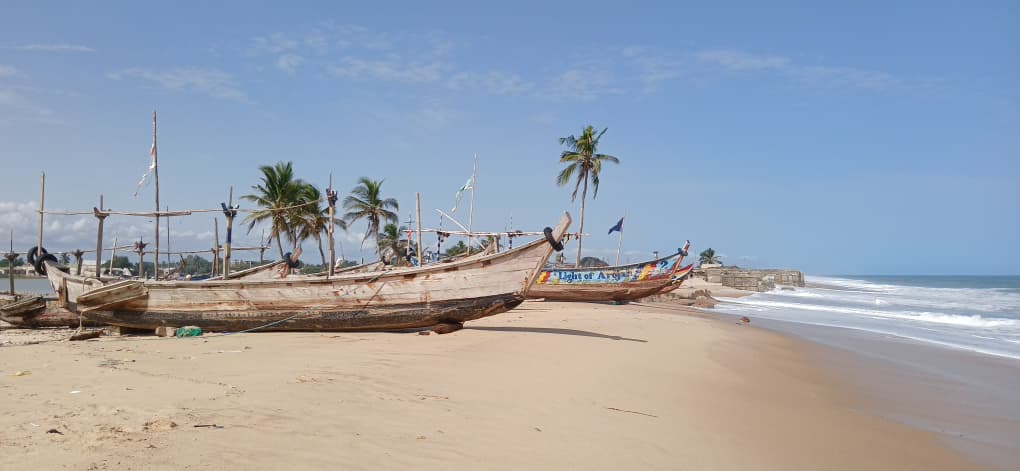
The effects of the phenomenon
As an infraction, the use of artificial light to aggregate both adult and juvenile fish results in a mass harvest of immature stocks even before they reproduce, disrupting the breeding cycle.
The indiscriminate nature of the practice also results in bycatch (the capture of untargeted and often non-edible species), which are subsequently discarded, sometimes dead or alive. This adversely affects the marine ecosystem.
Aside from the above, it cripples the livelihoods of the artisanal fishers who comply with the directive. While the non-compliant ones make bumper harvests, they, the law-abiding ones, suffer from low catch with its attendant economic hardship, which pushes them back into the illegal practice.

No Comment! Be the first one.